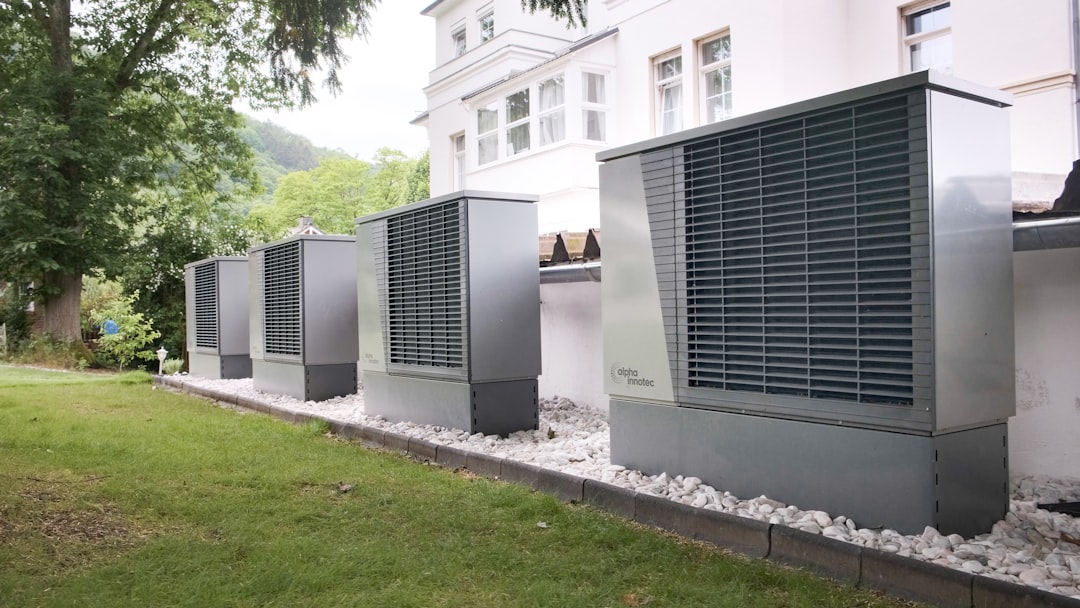
Complete HVAC System Installation in Pittsburgh, PA
Overview
A full heating or cooling installation includes load calculation for your specific home, equipment sized to match it, and ductwork fabricated in Craft's own sheet metal shop when custom runs are needed.
Craft's technicians assess your space before recommending any equipment. Square footage, ceiling height, insulation, window placement, and existing ductwork all factor into what system will actually perform well in your home. As an authorized Trane dealer, Craft installs high-efficiency furnaces, central air conditioners, and heat pumps. The installation itself is handled cleanly, with attention to how the work is left when the crew departs. A walkthrough at the end covers how the new system operates and what to expect in the first weeks.
What's included
- Custom ductwork fabrication
- Load-matched equipment sizing
- Authorized Trane installation
- Post-install walkthrough
If your Pittsburgh home is running on an aging furnace that struggles through January cold snaps, ductwork that was never quite right, or a central air system that gave up during the last humid August stretch, a complete HVAC system installation may be the most practical decision you make this year. Craft Heating and Cooling has been doing this work in Pittsburgh since 1949, long enough to know that a rowhouse in Bloomfield and a split-level in the North Hills are not the same job, and should never be treated as one.
A Comfort Consultant visits your home before any equipment is specified, evaluating your space, your existing infrastructure, and how you actually use the house. That conversation shapes everything that follows, from system sizing to airflow design to where equipment gets placed. You get a system built around your home, not a catalog package dropped into it.
What a Full System Installation Actually Covers
A complete installation starts with a Manual J load calculation, the industry standard for sizing heating and cooling equipment to your specific square footage, insulation levels, window placement, and sun exposure. From there, ductwork is designed and fabricated in Craft's own sheet metal shop, which matters in older Pittsburgh homes where off-the-shelf duct runs rarely fit existing framing without compromises. Installation is handled entirely by factory-trained, NATE-certified technicians on staff, not subcontractors brought in to fill a schedule. That means the person who designed your system is accountable for how it gets built. Work is permitted and inspected per local code, and you receive written documentation of everything completed.
When a Full Replacement Makes More Sense Than Another Repair
If your furnace is more than 15 to 20 years old and has needed repairs two or more seasons in a row, the math on continued patching usually stops working in your favor. The same applies when your cooling system can no longer keep older brick construction comfortable once humidity climbs into July and August. Homes that were converted from radiator or boiler heat without proper duct design often have persistent hot and cold spots that no amount of repair addresses, because the underlying system was never sized or routed correctly. If your energy bills have climbed steadily without a clear explanation, inefficient equipment is frequently the cause.
What Pittsburgh Homes Specifically Demand from a New HVAC System
Pittsburgh's winters are long and genuinely cold, with stretches in January and February where overnight lows stay well below freezing for days at a time. A system that is undersized for your home's actual heat loss will run constantly and still leave you uncomfortable. At the same time, summer humidity in older brick and frame construction creates a different challenge than what a newer, tighter home faces. Many Pittsburgh homes, particularly pre-war builds you find in areas like Lawrenceville, were never designed around forced-air systems, which means duct routing requires real problem-solving, not a standard template. Steep driveways, narrow city streets, and tight mechanical spaces are familiar territory for crews that have been working these neighborhoods for decades, and that experience reduces surprises during installation.
What to Expect from Start to Finish
The process begins with a free in-home estimate, no charge and no obligation. Your Comfort Consultant walks the house, takes measurements, and reviews your existing setup before recommending any equipment. Once you approve a written proposal that itemizes equipment, labor, and any permit fees, installation is scheduled at a time that works around your calendar. On installation day, technicians protect your floors and work areas, complete the installation, and walk you through system operation before they leave. Financing options are available if a full replacement was not in your budget for the season. If questions come up after the job is done, you have a local company with a Pittsburgh address to call, not a regional dispatch center.
Pricing
Free home comfort consultation
Pricing is confirmed during your initial consultation and may vary based on your specific situation and scope of work.
Request a Free Consultation (412) 921-6995Common questions
- How do you figure out what size system my home actually needs?
- Sizing is determined through a Manual J load calculation, which accounts for your home's square footage, ceiling heights, insulation levels, window area, and orientation. This is not an estimate based on square footage alone. Skipping this step is one of the most common reasons homeowners end up with a system that short-cycles in summer or can't keep up during a cold snap, and it's why a Comfort Consultant visits your home before any equipment is recommended.
- Can you work with my existing ductwork, or does it all have to be replaced?
- Existing ductwork is evaluated during the in-home consultation. In some cases, portions of it can be retained or modified. In others, particularly in older Pittsburgh homes where ducts were added after original construction, a full redesign produces significantly better airflow and efficiency. Ductwork fabricated in Craft's own sheet metal shop is built to fit your specific layout, so you're not working around standard sizes that don't quite match your framing.
- Will you pull the necessary permits, and what happens if my municipality has specific requirements?
- Yes, permits are pulled and inspections are coordinated as part of the installation. Craft Heating and Cooling is licensed and insured in Pennsylvania, and the team is familiar with local municipal requirements for equipment placement, venting, and outdoor unit setbacks. If your municipality has specific code considerations, those are identified during the planning phase, not after the work begins.
- How long does a full system installation typically take?
- Most complete installations are finished in one day, though homes with more complex ductwork or equipment configurations may run into a second day. You'll know the expected timeline before work begins, and the crew works straight through to leave you with a functioning system before they go. If anything changes the scope during the job, that conversation happens with you before any additional work proceeds.
Ready When Pittsburgh's Weather Isn't
Call or send a message to schedule a repair, maintenance visit, or free installation estimate with a technician who knows your home's system.